Description
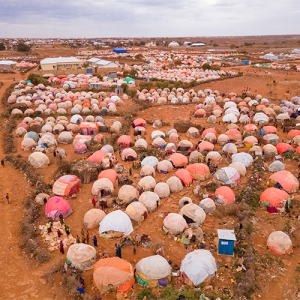
📢 Disasters can have devastating impacts on communities, infrastructure, and economies. Effective Post-Disaster Needs Assessment (PDNA) is crucial in guiding recovery efforts and rebuilding stronger, more resilient societies. This course equips participants with the knowledge and skills necessary to conduct comprehensive PDNAs, assess damage and needs, and develop strategic recovery plans. Through practical exercises and real-world case studies, participants will gain hands-on experience in disaster response planning.
Duration
📅 5 Days
Course Level
🎓 Intermediate
Target Audience
👥 This course is ideal for:
- Disaster response and recovery professionals
- Humanitarian aid workers
- Government officials involved in disaster management
- NGO program managers and coordinators
- Urban planners and infrastructure specialists
- Risk management and resilience professionals
Personal Impact
✅ Acquire essential skills for conducting effective Post Disaster Needs Assessments.
✅ Improve ability to analyze disaster impacts and prioritize recovery needs.
✅ Enhance collaboration and coordination with stakeholders in disaster response.
✅ Increase confidence in contributing to recovery and reconstruction efforts.
✅ Develop a deeper understanding of disaster risk reduction and resilience-building strategies.
Organizational Impact
✅ Strengthened capacity to assess and respond to disaster impacts.
✅ Improved effectiveness of recovery and reconstruction planning.
✅ Enhanced coordination and collaboration with other organizations and stakeholders.
✅ Increased organizational preparedness for future disasters.
✅ Contribution to building more resilient communities and infrastructure.
Course Objectives
By the end of this course, participants will be able to:
✅ Understand the principles and methodologies of Post Disaster Needs Assessment (PDNA).
✅ Conduct comprehensive assessments of damage, loss, and needs following a disaster.
✅ Analyze data to inform recovery and reconstruction planning.
✅ Coordinate effectively with stakeholders, including government agencies, NGOs, and affected communities.
✅ Develop actionable recommendations for recovery and resilience-building efforts.
Modules
Module 1: Introduction to Post Disaster Needs Assessment (PDNA)
📌 Overview of PDNA and its importance in disaster recovery
📌 Key concepts: damage, loss, and needs assessment
📌 PDNA frameworks and methodologies
📌 International best practices in Post Disaster Needs Assessment
Module 2: Conducting Damage and Loss Assessments
📌 Techniques for assessing physical and economic damage
📌 Evaluating the impact on infrastructure, housing, and livelihoods
📌 Gathering and analyzing data: tools and methods
📌 Case studies: damage and loss assessments in recent disasters
Module 3: Needs Assessment and Prioritization
📌 Identifying and prioritizing the needs of affected populations
📌 Assessing health, education, and social services needs
📌 Evaluating environmental and cultural impacts
📌 Integrating gender, vulnerability, and inclusion considerations
Module 4: Recovery Planning and Stakeholder Coordination
📌 Developing recovery and reconstruction plans based on PDNA findings
📌 Coordinating with government agencies, NGOs, and international partners
📌 Engaging and involving affected communities in recovery planning
📌 Monitoring and evaluating the implementation of recovery plans
Module 5: Building Resilience Through Post Disaster Needs Assessment
📌 Integrating disaster risk reduction and resilience into recovery efforts
📌 Strategies for building back better: sustainable recovery and reconstruction
📌 Lessons learned from past PDNAs and their impact on resilience
📌 Final assessment and actionable recommendations for future PDNAs